
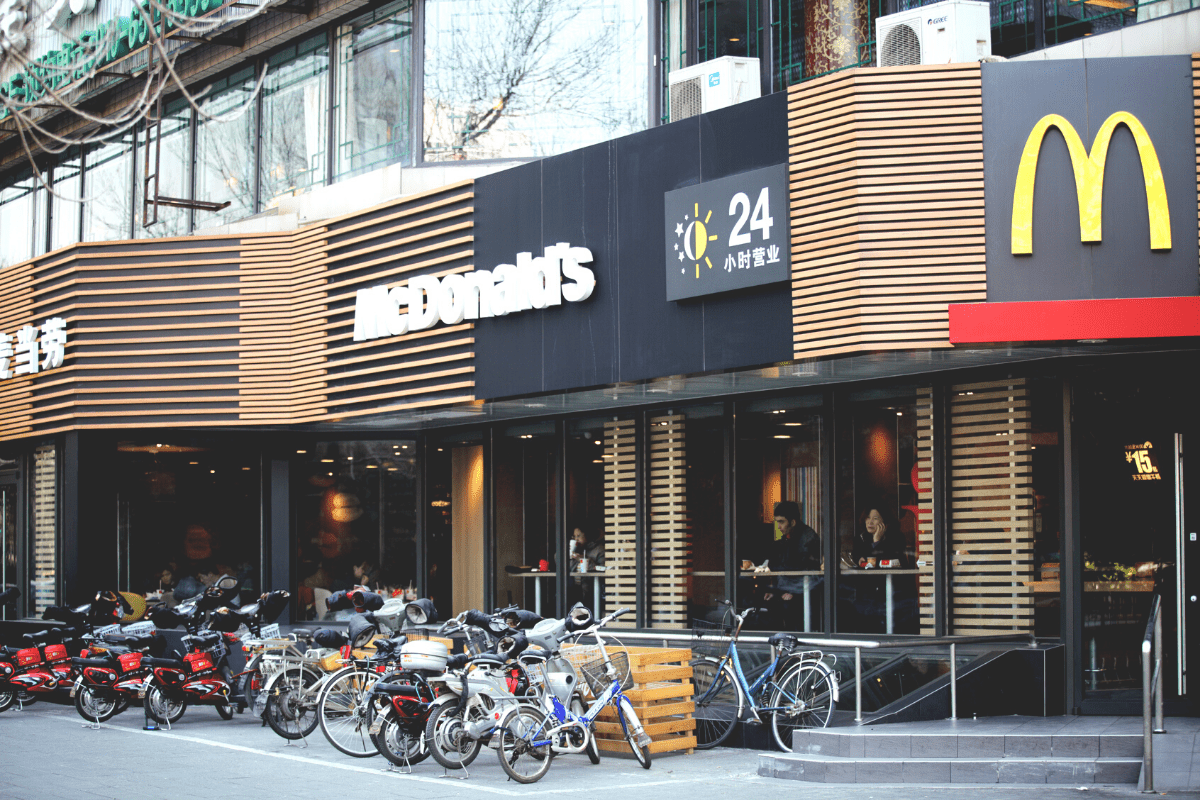
Apabila disebut makanan seperti burger, ayam goreng dan fries, pastinya peminat makanan segera akan terbayangkan McDonald’s, bukan? Tetapi adakah anda tahu ia boleh ditempah melalui pelbagai cara yang memudahkan anda? Musim-musim Covid-19 dan PKP yang mengharapkan bantuan BKC ini, ramai orang malas mahu keluar rumah. Jadi, izinkan kami di The Rohani berkongsi cara order McDonalds secara online.
1. Cara order McDonalds melalui mcdelivery.com.my
McDonald’s atau lebih dikenali sebagai McD ini mempunyai peminat makanannya yang besar.
Jenama ini boleh dianggap sebagai antara jenama makanan segera yang paling digemari dan popular dalam kalangan individu di negara ini termasuklah kanak-kanak.
Selaras dengan kemajuan teknologi, anda kini sudah boleh menempah makanan kegemaran anda dari McD ini melalui pelbagai cara yang mudah. Jom ketahuinya dengan lebih lanjut dalam penjelasan di bawah.
Jika dahulu, cara yang membolehkan anda untuk makan makanan kegemaran anda daripada McD adalah dengan membuat panggilan atau terpaksa pergi ke restoran McDonald’s sendiri.
Tetapi kini, sudah ada kemudahan iaitu melalui laman web McDonald’s sendiri, McDelivery. Cara order McDonalds online kini jadi lebih mudah.
Untuk membuat pesanan melalui McDelivery, sila baca cara daftar McDonalds McDelivery terlebih dahulu.
Selepas itu, ikut langkah ini:
- Anda disarankan untuk mempunyai akaun McDelivery, ia untuk memudahkan anda mengesan pesanan anda serta mendapat tawaran dan promosi eksklusif.
- Walau bagaimanapun, jika anda tidak mempunyai akaun, tidak mengapa, anda boleh memilih untuk membuat pesanan sebagai ‘Pesanan Tetamu’ (akan diterangkan sebentar lagi).
- Layari laman web rasmi untuk order McDelivery di sini: https://www.mcdelivery.com.my/my/
- Tekan pada ruang ‘Akaun’.
- Akan pop-up satu ruang untuk diisikan emel dan kata laluan, itu adalah untuk pengguna yang sudah mempunyai akaun.
- Bagi individu yang baru menggunakan kemudahan ini, anda boleh click pada ‘Saya Pengguna Baru’.
- Di situ anda mempunyai pilihan sama ada untuk’ ‘Daftar Sekarang’ atau sebagai ‘Pesanan Tetamu’.
- Jika memilih untuk ‘Daftar Sekarang’, anda akan diminta untuk mengisi maklumat di dalam ruangan ‘Alamat Penghantaran’. Kemudian akan keluar pula paparan ‘Maklumat Saya’, untuk anda isikan maklumat diri anda seperti Nama, Jantina, Tarikh Lahir, Nombor Telefon, E-mel dan Kata Laluan.
- Selepas selesai, anda boleh tekan ‘Daftar Akaun’ dan anda sudah boleh memulakan untuk membuat pesanan anda. Semudah ABC, bukan?
- Manakala jika anda memilih sebagai ‘Pesanan Tetamu’, anda juga diperlukan untuk mengisi ruangan ‘Alamat Penghantaran’, jika tidak bagaimana penghantaran akan dilakukan, bukan?
- Tetapi selepas selesai mengisi ruangan itu dan menekan ‘Save Address’, anda akan terus dibawa ke bahagian ‘Pesanan Pantas Value Meal’ dan anda boleh mula membuat order makanan yang anda inginkan.
- Setiap harga yang tercatat di laman web adalah tertakluk dengan Cukai Perkhidmatan 6%. Dan bagi setiap penghantaran akan dikenakan caj sebanyak RM4.70.
- Dan harus diingatkan bukan semua kawasan dapat menerima perkhidmatan McDelivery ini.
Namun kekurangan pesanan melalui laman web adalah anda tidak boleh membuat pesanan khas seperti tanpa sayur, tanpa sos atau sebagainya.
Pesanan khas seperti itu tidak boleh dibuat melalui McD online. Hanya boleh dibuat melalui panggilan telefon ke talian 1-300-13-1300.
2. Cara order McDonalds melalui McDelivery Malaysia app
Sekarang ini hampir semua individu mempunyai telefon pintar, bukan? Anda juga boleh membuat pesanan melalui telefon pintar anda melalui aplikasi McDelivery Malaysia, yang perlu dimuat turun ke dalam telefon anda melalui Play Store atau Apple App Store.
Caranya adalah sama dengan tempahan melalui laman web McDelivery, sama ada anda mendaftar atau membuat pesanan sebagai ‘Pesanan Tetamu’.
3. Cara order McDonalds online melalui foodpanda
Selain order McDelivery, anda juga boleh gunakan Foodpanda. Cara order Foodpanda juga mudah sahaja. Untuk menggunakan aplikasi Foodpanda untuk membuat pesanan, anda boleh memuat turun aplikasinya dari AppStore atau Google Play.
Anda juga boleh buat pesanan melalui laman web www.foodpanda.my.
Anda perlu mendaftar untuk membuat pesanan.
Melalui aplikasi ini, anda bukan sahaja bukan sahaja boleh membuat pesanan McDonald’s anda, tetapi anda juga boleh membuat pesanan makanan lain yang diingini.
Tetapi harus diingatkan, anda akan dikenakan bayaran caj penghantaran yang berbeza untuk setiap jenis makanan yang anda tempah. Jangan terkejut pula apabila melihat caj penghantaran yang berbeza, okay?
Cuma melalui aplikasi ini, anda boleh membuat pilihan bayaran sama ada melalui ‘cash on delivery’ (tetapi bergantung kepada makanan ditempah, tempat dan kawasan penghantaran) , kad kredit atau kad debit atau melalui perbankan atas talian (online banking).
Ini rasanya satu kemudahan yang baik di mana pengguna mempunyai pilihan untuk tidak mengisi sebarang maklumat kad kredit atau kad debit.
Sekarang ini macam-macam boleh berlaku, bukan?
4. Beli McD online dengan GrabFood
Selain menawarkan perkhidmatan GrabCar, anda juga boleh membuat tempahan McDonald’s anda melalui GrabFood. Ini adalah salah satu alternatif dari order melalui McDelivery.
Tetapi anda perlu memuat turut aplikasi Grab di telefon pintar anda dan mendaftar terlebih dahulu.
Kelebihan menggunakan aplikasi ini adalah anda bukan sahaja boleh menempah McD anda tetapi anda juga boleh menempah makanan lain yang anda inginkan.
Tetapi ia akan dikenakan bayaran penghantaran yang berbeza bagi setiap jenis makanan yang anda tempah. Ini bermakna jika anda menempah dari tiga restoran makanan yang berbeza, maka akan terdapat tiga caj penghantaran yang akan dikenakan.
Tetapi dalam aspek pembayaran melalui aplikasi ini, anda hanya mempunyai pilihan pembayaran kad kredit atau kad debit atau ‘PayPal’, yang bermakna anda perlu mengisi butiran mengenai kad anda.
Atau satu lagi pilihan anda untuk membuat pembayaran apabila membuat tempahan melalui aplikasi GrabFood adalah GrabPay Wallet atau GrabPay Credit.
Di mana anda perlu membuat tetapan dan membuat tambahan kredit melalui ‘Online Banking’ atau ‘Cards and Wallet’ yang memerlukan anda membuat tambahan nilai duit di dalam GrabPay Wallet anda,
Akhir kalam
Kini sudah terdapat pelbagai kemudahan yang boleh memudahkan lagi kehidupan seharian kita.
Cara order McDonalds online ini juga tidaklah sesukar mana. Kalau ada telefon bimbit, mudah sahaja.
Jadi anda tidak perlu keluar rumah dan dapat menjimatkan masa, minyak kereta malahan duit parking untuk menikmati makanan yang anda ingini.
Bagi yang mencari kerja pula, tidak perlu malu dalam usaha mencari rezeki.
Boleh mohon kerja jadi rider dengan Grabfood, Foodpanda, Dahmakan; dan juga untuk penghantaran barang seperti Lalamove, Shopee Express dan Lazada Express.
Semoga bermanfaat.
Of course, what a fantastic site and illuminating posts, I surely will bookmark your website.All the Best!
F*ckin’ awesome issues here. I’m very glad to look your post. Thank you a lot and i’m looking forward to contact you. Will you kindly drop me a mail?